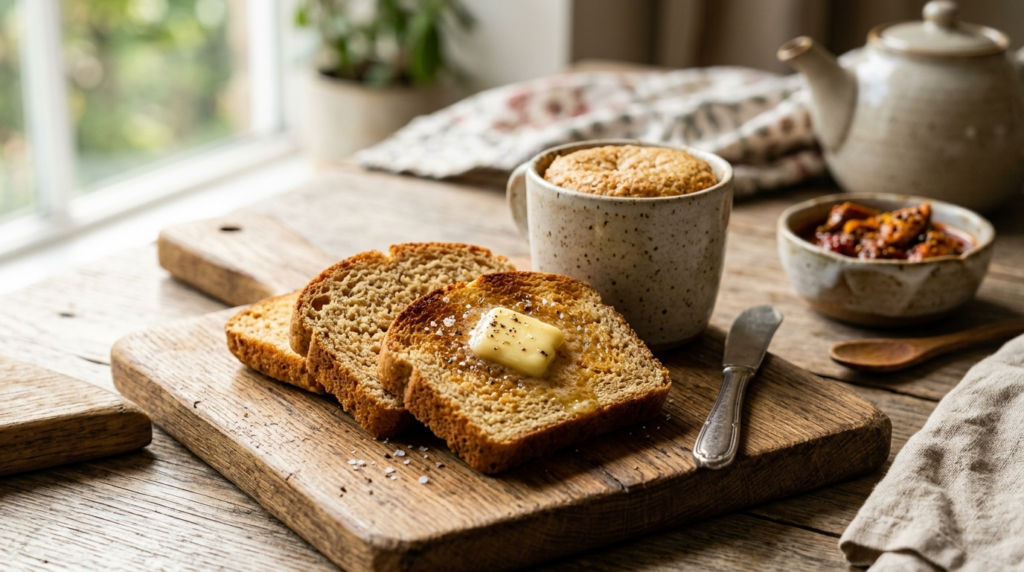
For many of us, the idea of a meal without a comforting piece of bread feels incomplete. Whether it’s dipping into a flavourful dal, scooping up a sabzi, or simply enjoying a quick sandwich, bread holds a special place in our hearts and on our plates. So, when you embark on a low-carb journey, like the ketogenic diet, the absence of this everyday staple can feel like a genuine void. The good news? You absolutely don’t have to miss out on the simple joys of bread. We’re here to introduce you to a game-changer: the 90-second coconut flour mug bread.
Imagine this: a warm, freshly made piece of bread, ready in less time than it takes to brew a cup of chai. It’s not a dream; it’s a reality with this incredibly simple recipe. Perfect for those busy mornings, a quick lunch on the go, or when an unexpected craving strikes, this mug bread is designed for the modern Indian home cook who values both health and convenience. Let’s dive into how this little marvel can transform your low-carb cooking experience.
Coconut Flour: Your Low-Carb Companion
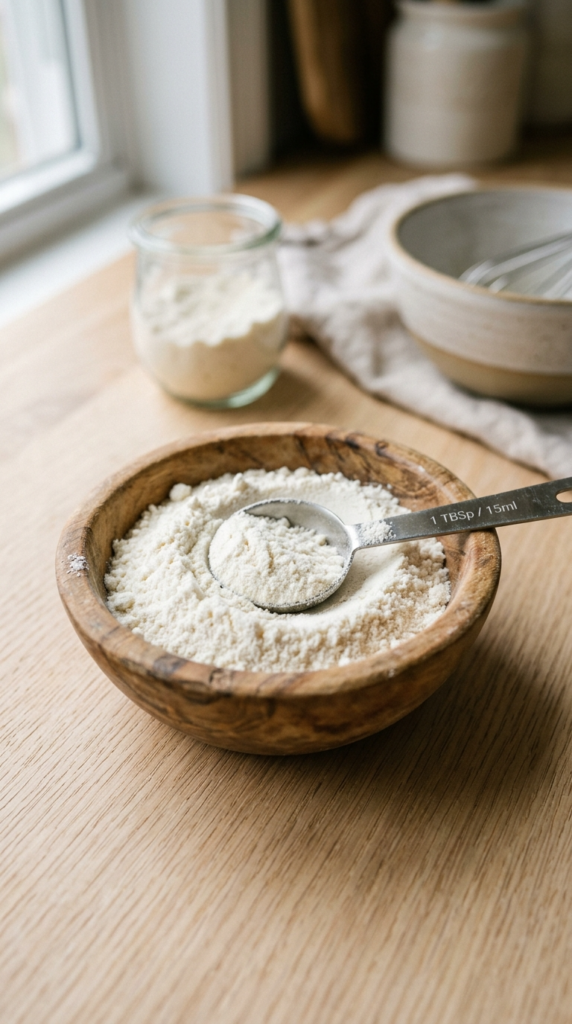
When you’re exploring low-carb baking, you’ll quickly discover that not all flours are created equal. Coconut flour stands out as a true superstar, especially for those following a ketogenic lifestyle. Unlike traditional wheat flours, coconut flour is remarkably low in carbohydrates and surprisingly rich in dietary fiber. This combination is fantastic because it helps you feel full and satisfied for longer, preventing those mid-day hunger pangs that can derail your healthy eating plans.
Beyond its carb profile, coconut flour also brings a good amount of healthy fats to the table, further contributing to satiety. It’s an ingredient that truly works hard for you. A little goes a long way, too, thanks to its high absorbency, which means a small quantity can yield a decent amount of baked goods. This makes it an economical choice in the long run.
A common question often arises about the “nut” in coconut. Rest assured, coconut is botanically classified as a fruit, not a tree nut. This is great news for many who have tree nut allergies, as it often provides a safe alternative for their baking needs. However, it’s always wise to consult with a healthcare professional if you have specific allergy concerns.
The Mug Magic: Instant Gratification
Life moves fast, and often, our desire for healthy, homemade food clashes with the reality of our schedules. This is where the “mug bread” concept truly shines. It’s the ultimate kitchen shortcut, allowing you to enjoy fresh bread without the commitment of traditional baking. No kneading, no rising, no waiting for the oven to preheat – just a few simple ingredients, a mug, and a microwave.
The beauty of a 90-second bread lies in its instant gratification. Imagine waking up and deciding you want a piece of toast with your morning chai, or realizing you need a quick side for your scrambled eggs or paneer bhurji. Instead of reaching for processed alternatives, you can whip up something wholesome and satisfying in mere moments. It’s perfect for solo servings, meaning no leftovers to worry about and less temptation to overeat. This mindful approach to portion control can be a real asset on your wellness journey.
Whipping Up Your Quick Bread: A Step-by-Step Guide
Creating this little wonder is surprisingly straightforward. You’ll need just a handful of everyday ingredients, most of which you likely already have in your pantry if you’re exploring low-carb cooking. While we’re not listing precise measurements here (you’ll find many excellent recipes online once you’re ready to bake!), the core components typically include coconut flour, an egg, a leavening agent like baking powder, a touch of oil or melted butter, and a pinch of salt.
Getting Started: The Mix
The process begins with combining your dry ingredients in a microwave-safe mug. Think of a standard coffee mug – it’s the perfect size. Whisk the coconut flour, baking powder, and salt together until they’re well incorporated. This ensures an even rise and flavour throughout your bread. Next, add the wet ingredients: your egg and chosen fat. Give everything a good stir until you have a smooth, thick batter. It won’t be as runny as a cake batter, but rather more like a thick paste. Don’t worry if it looks a bit dense; that’s normal for coconut flour recipes.
Microwave Magic: The Cook
Once your batter is ready, it’s time for the microwave. Pop your mug in and cook it on high for about 90 seconds. Microwave wattages can vary, so keep an eye on it. You’re looking for a firm, cooked texture. The top should be dry to the touch and spring back slightly when gently pressed. Be careful not to overcook it, as coconut flour can dry out quickly. If it looks a little damp, give it another 10-15 seconds, but generally, 90 seconds is the sweet spot.
The Golden Finish: Toasting for Perfection
Now, here’s a crucial tip for truly elevating your mug bread: don’t skip the toasting step! While you can eat it straight from the mug, toasting it makes a world of difference. Carefully remove the cooked bread from the mug (it usually slides out easily if you’ve greased the mug slightly). Slice it horizontally into two halves, or even three if it’s thick enough. Then, in a lightly greased pan or tawa over medium heat, toast each side until golden brown and slightly crispy. A little ghee or butter in the pan during toasting will add an incredible flavour and texture, transforming it from a soft, sometimes slightly eggy bread into something truly delightful and firm.
Savoury & Sweet Pairings: Making it Your Own
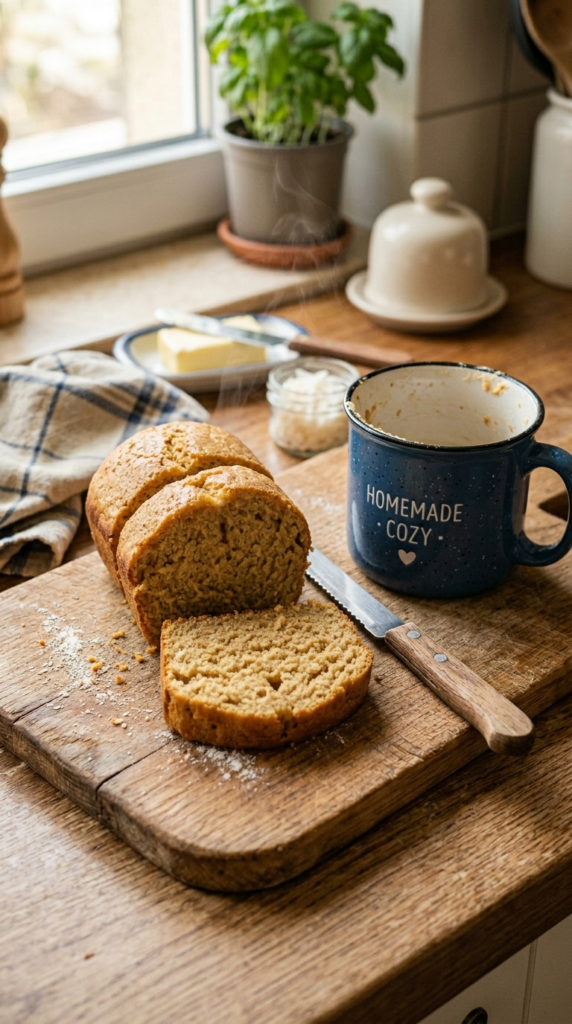
Once your perfectly toasted mug bread is ready, the possibilities are endless! This versatile low-carb base can be enjoyed in countless ways, fitting seamlessly into your Indian kitchen. Think about it as a canvas for your favourite toppings and accompaniments, both sweet and savoury.
Savoury Sensations
For breakfast or a light lunch, pair your mug bread with a classic Indian omelette, perhaps spiced with green chillies and coriander. It’s also wonderful alongside a quick paneer bhurji, a simple scramble of cottage cheese, or a bowl of protein-rich sprouts salad. Instead of a traditional sandwich, use two slices of toasted mug bread to create a mini open-face sandwich with a spread of cream cheese and slices of cucumber or tomato, perhaps a sprinkle of chaat masala. You could even use it to scoop up a spoonful of a delicious, low-carb sabzi or a hearty dal.
If you’re looking for extra healthy fats, a generous spread of homemade ghee or a dollop of fresh malai (clotted cream) can be incredibly satisfying. Don’t forget the power of a good pickle or a fresh chutney to add a burst of flavour. A small serving of mint chutney or even a sugar-free tomato chutney can beautifully complement the mild taste of the bread.
Sweet Indulgences
For those moments when you crave something sweet, your mug bread can still deliver. A smear of sugar-free jam or fruit preserve is a classic choice. You could also try a sprinkle of cinnamon and a drizzle of a low-carb syrup. For a truly indulgent treat, spread some homemade mawa (reduced milk solids) or a sugar-free coconut butter on top. The subtle sweetness of coconut flour lends itself well to these lighter, healthier sweet pairings.
Troubleshooting & Tips for Success
As with any new recipe, especially one involving alternative flours, a few questions often pop up. Let’s address some of the most common ones to ensure your mug bread success.
Can I Swap Flours?
This is a big one! While it might be tempting to substitute almond flour for coconut flour, it’s generally not recommended in this specific recipe. Coconut flour is incredibly absorbent, much more so than almond flour. Swapping them directly would result in a very different, likely crumbly or dry, texture. Stick to coconut flour for this particular mug bread to get the best results.
Dealing with the “Eggy” Taste
Some people find that coconut flour-based baked goods can have a slightly eggy flavour, especially if not toasted. This is completely normal! The best way to mitigate this is by toasting your bread in a pan with a little butter or ghee, as we discussed. The browning and added fat help to mask any subtle eggy notes and enhance the overall flavour. If you’re particularly sensitive to the eggy taste, some bakers suggest adding a tiny pinch of a neutral spice like cardamom or a touch of vanilla extract (if it suits your serving intention) to the batter.
Don’t Overdo the Coconut Flour
It might seem like a small amount of coconut flour for a piece of bread, but trust the recipe! Because of its high absorbency, adding too much coconut flour will quickly lead to a very dry, dense, and unpalatable result. Precision is key here. Similarly, avoid over-microwaving. While 90 seconds is a good starting point, adjust slightly based on your microwave’s power. Overcooking will dry out your bread, making it tough and less enjoyable.
Your Path to Sustainable Wellness
Adopting a low-carb lifestyle doesn’t mean sacrificing the foods you love or feeling deprived. It’s about finding smart, delicious alternatives that support your health goals. This 90-second coconut flour mug bread is a perfect example of how small, practical changes can make a big difference in your everyday eating. It offers the comfort of bread without the carb overload, fitting perfectly into a busy schedule and a health-conscious mindset.
So, next time you’re craving that warm, comforting bite of bread, remember this quick and easy solution. It’s more than just a recipe; it’s a tool for empowerment in your kitchen, helping you stay on track with your wellness journey while still enjoying delicious, homemade food. Experiment with toppings, find your favourite pairings, and make this versatile mug bread a regular part of your healthy eating repertoire. Happy cooking!