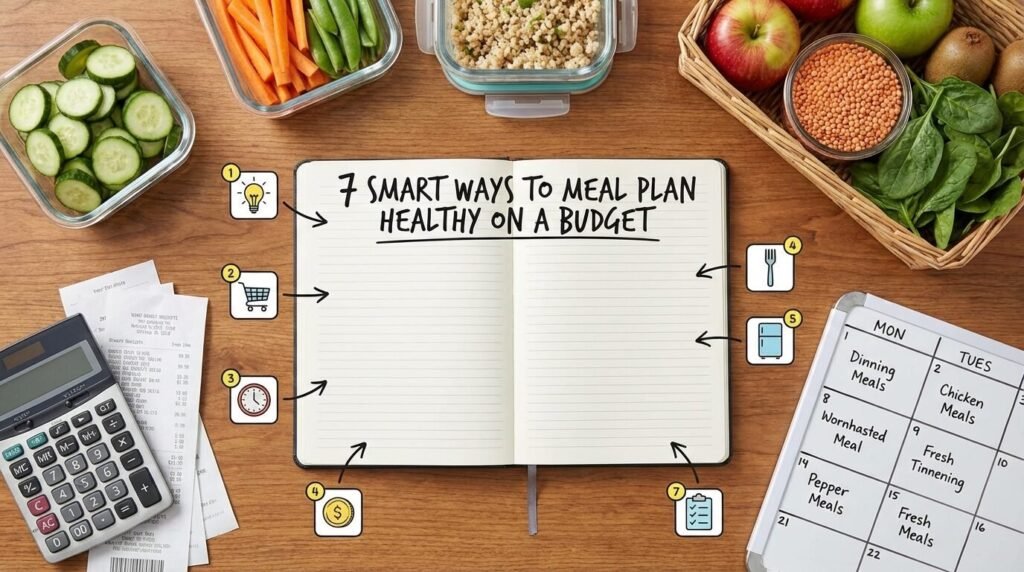
Oh, the eternal struggle! I remember staring at my grocery cart, full of fresh produce and healthy staples, then looking at my bank account with a sigh. Eating well shouldn’t feel like a luxury, right? For years, I believed that healthy food and a tight budget were arch-enemies, but I’ve learned that with a little planning and a few clever tricks, you can absolutely nourish your body without draining your wallet.
If you’ve ever felt that pinch, wondering how to make delicious, wholesome meals without overspending, then you’re in the right place. I’m here to share my tried-and-true methods that have transformed my own grocery bill and made healthy eating truly accessible. Get ready to save money, eat better, and stress less!
1. Take Stock of What You Already Have
Before you even think about writing a grocery list, open your fridge, freezer, and pantry. Seriously, get in there! You might be surprised by what forgotten treasures are lurking.
I often find half a bag of lentils, some frozen veggies, or canned tomatoes I completely forgot about. Building your meal plan around these existing items is like getting a head start on savings. It’s a game-changer for reducing waste and cutting down on impulse buys.

2. Plan Around Sales and Seasonal Produce
This tip might sound obvious, but it’s foundational for budget meal planning. Flipping through the weekly grocery flyers or checking online deals is non-negotiable for me.
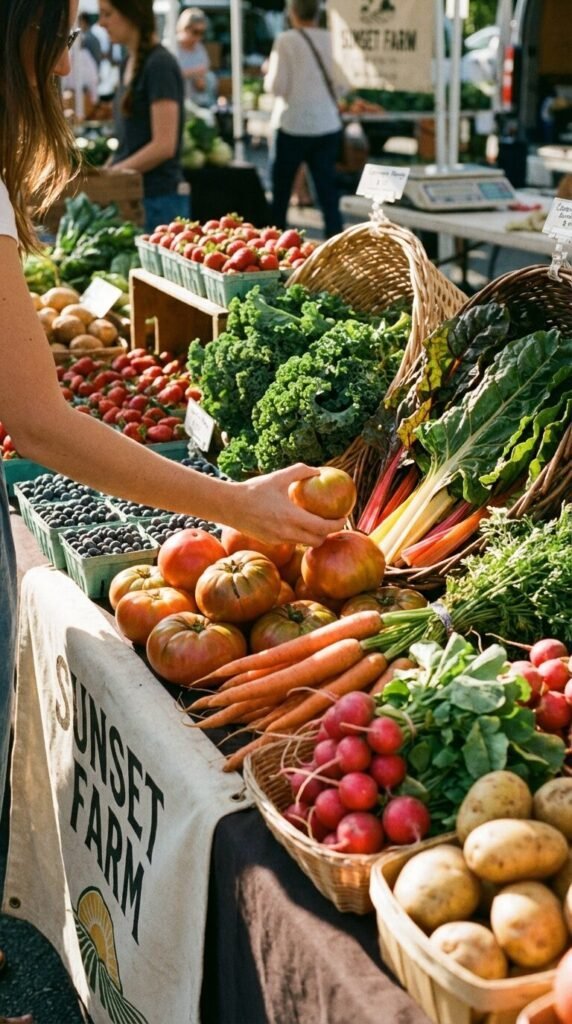
If chicken breasts are on sale, I’ll plan a couple of chicken-based meals. If berries are cheap and in season, those become my go-to snack or smoothie addition. Buying what’s abundant and discounted naturally lowers your costs and often means fresher, tastier ingredients. Don’t forget to check out some delicious gut-friendly breakfast recipes that often utilize seasonal fruits!
3. Master the Art of Bulk Buying (Wisely!)
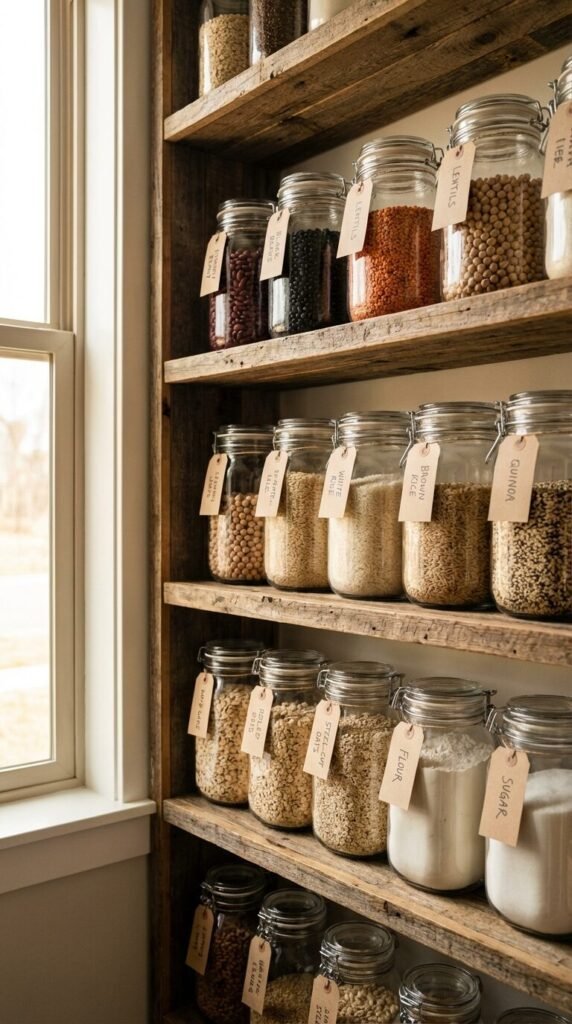
Buying in bulk can be fantastic for your budget, but there’s a catch: only buy what you know you’ll use. I’ve learned this the hard way with a giant bag of kale that ended up wilted!
Think about staples like rice, pasta, dried beans, oats, and even certain frozen vegetables. These are items that store well and form the base of many healthy, affordable meals. For precise portioning and to ensure you’re sticking to your budget goals, I always recommend having a good Digital Kitchen Scale on hand. It helps tremendously with consistency and making ingredients stretch further.
4. Embrace Frugal Protein Sources
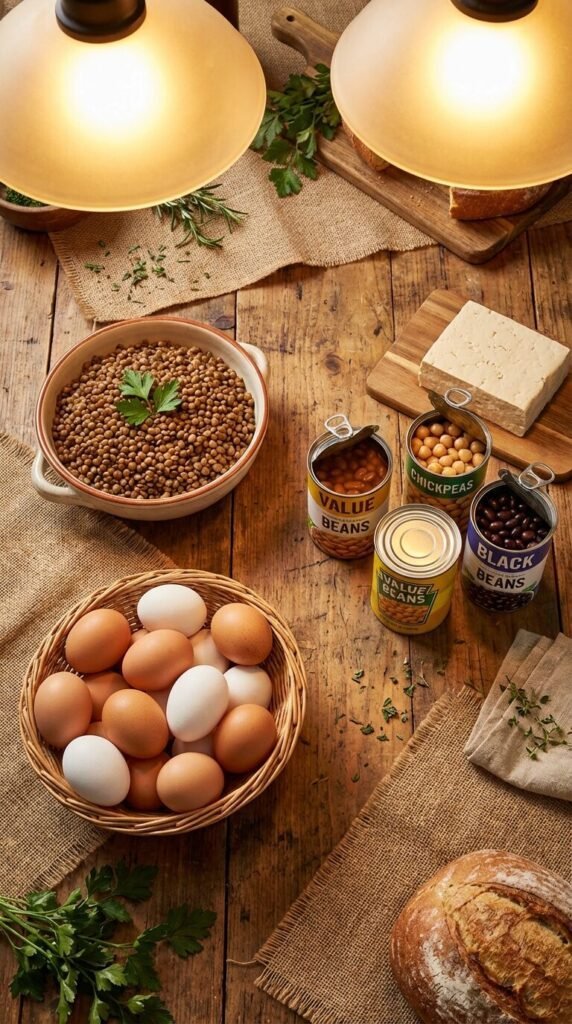
Meat can be a significant cost, but you don’t have to cut it out entirely to save money. Lean into more budget-friendly protein options that are just as nutritious and versatile.
Eggs, lentils, beans (canned or dried), tofu, and canned fish like tuna or salmon are incredibly economical. I love whipping up a quick lentil soup or a bean chili, and eggs are my go-to for a fast, healthy, and cheap dinner. These proteins are fantastic for making filling meals without the hefty price tag. For more healthy ideas, consider trying some gut health smoothie recipes that often incorporate plant-based proteins.
5. Batch Cook Like a Boss
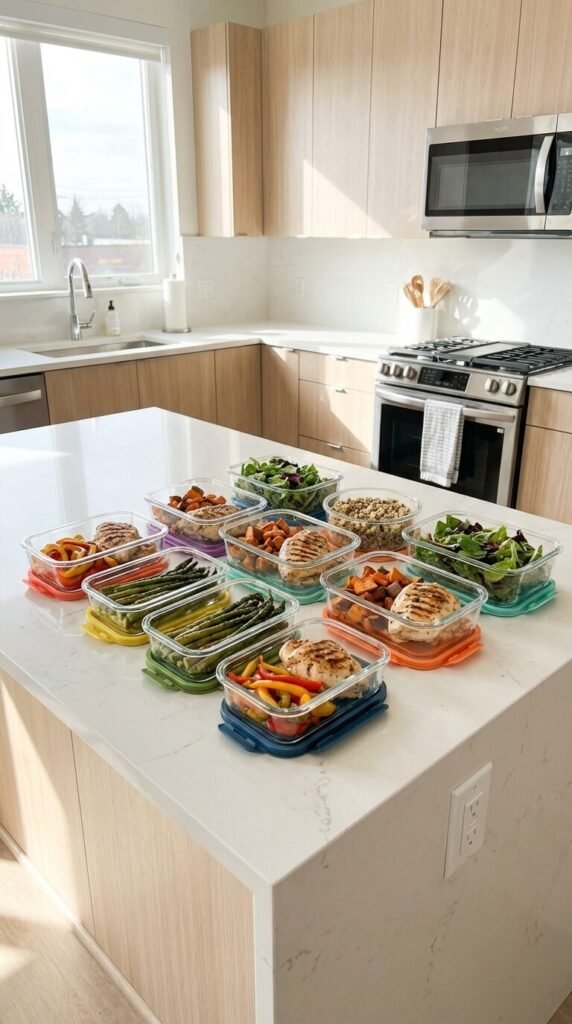
My absolute secret weapon for healthy eating on a budget is batch cooking. Dedicate an hour or two once a week (I usually do Sunday afternoons) to prep ingredients or full meals.
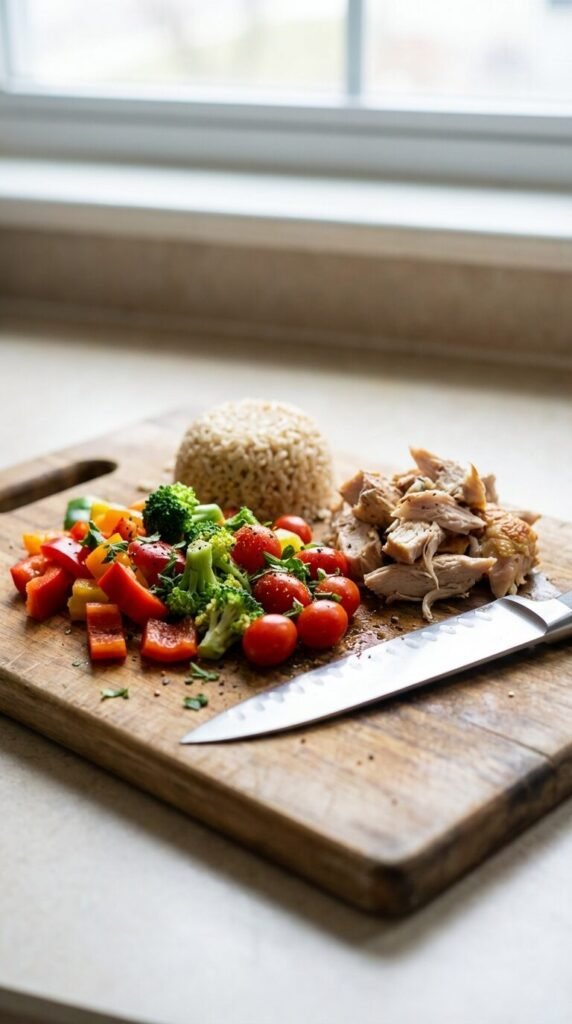
Cook a big batch of grains like quinoa or brown rice, chop all your veggies, or even cook a large roast chicken that can be used for multiple meals throughout the week. This saves time during busy weekdays and prevents you from resorting to expensive takeout. Plus, it makes assembling healthy lunches a breeze!
6. Befriend Your Freezer
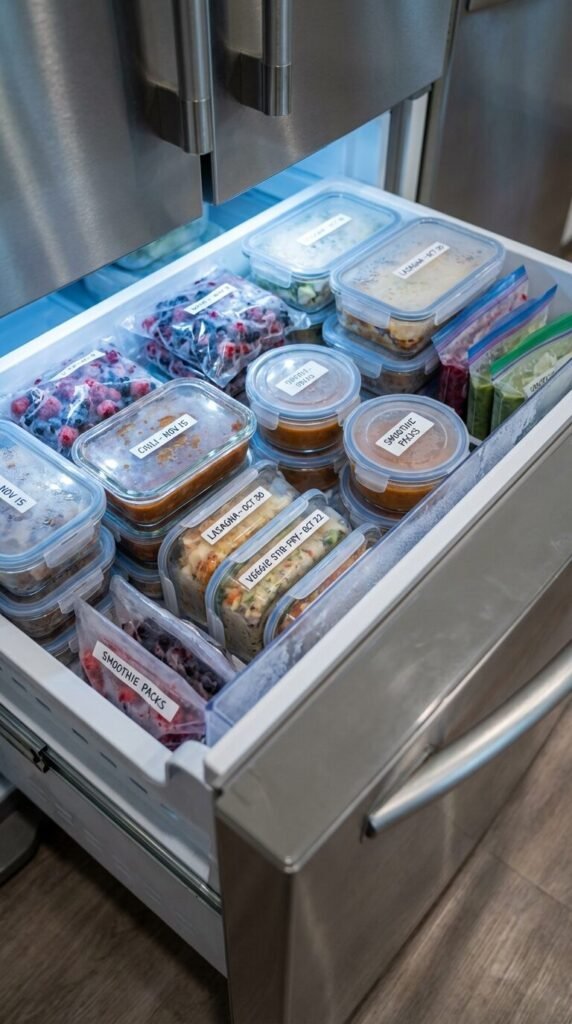
Your freezer isn’t just for ice cream (though I do love a good treat!). It’s a powerful tool for budget-friendly meal planning. When I find sales on meat or produce, I buy extra and freeze it.
Cooked grains, soups, stews, and even chopped veggies can all be frozen for later use. This is especially helpful when you’re busy – just pull out a pre-made meal and reheat. To ensure your delicious, prepped food stays fresh and safe, a good set of Airtight Food Storage Containers is indispensable. They’re a game-changer for preventing freezer burn and keeping everything organized. You might even find some ideas for healthy party foods that freeze well!
7. Limit Food Waste (It’s Like Finding Money!)
Food waste is literally throwing money away. This is where diligent meal planning, proper storage, and creativity come in.
Use up leftovers, repurpose ingredients (e.g., leftover roasted chicken can become chicken salad), and pay attention to expiration dates. I also love making “fridge clean-out” meals like frittatas or stir-fries to use up odds and ends.
Additionally, staying hydrated by drinking water instead of expensive juices or sodas is another small but mighty way to save. Carrying a High Quality Reusable Water Bottle helps make that an easy habit to maintain throughout your day, saving you from buying bottled drinks.
Ready to Revolutionize Your Grocery Bill?
Eating healthy on a tight budget isn’t about deprivation; it’s about smart choices, thoughtful planning, and a little bit of kitchen savvy. By implementing these 7 strategies, I’ve seen a huge difference in my own finances and my overall well-being. No more guilt at the checkout, just delicious, nourishing food.
Give these tips a try, and watch how quickly you transform your meal planning habits. You’ve got this! Don’t forget to save this post for later, and share it with a friend who needs a little budget-friendly meal inspo!
Related Budget Meal Planning Guides
Use this with healthy meal planning on a budget, budget meal plan strategies, and single-serving budget meals.