
Seriously, stop doing this! You pour your heart into cooking, pick out the best ingredients, and follow recipes to a T. But sometimes, despite all that effort, your homemade meals just… don’t hit the mark. They taste good, sure, but not like that amazing dish you had at that bistro, or even like they cost more than a few bucks to make.
I totally get it. For years, I struggled with this exact feeling. I’d cook something I thought was going to be incredible, only for it to fall flat, tasting, well, a little cheap. It was frustrating! I knew I could do better, but I couldn’t put my finger on *what* I was doing wrong.
Turns out, it wasn’t my ingredients or my passion. It was a handful of subtle (and not-so-subtle) cooking mistakes I was making. Little habits that were robbing my dishes of that restaurant-quality flavor and texture.
Today, I’m pulling back the curtain on the 9 most common cooking mistakes that are secretly making your meals taste less expensive. Trust me, once you fix these, your home cooking will transform. Get ready to impress yourself and everyone at your table!
Not Seasoning Enough or at the Right Time
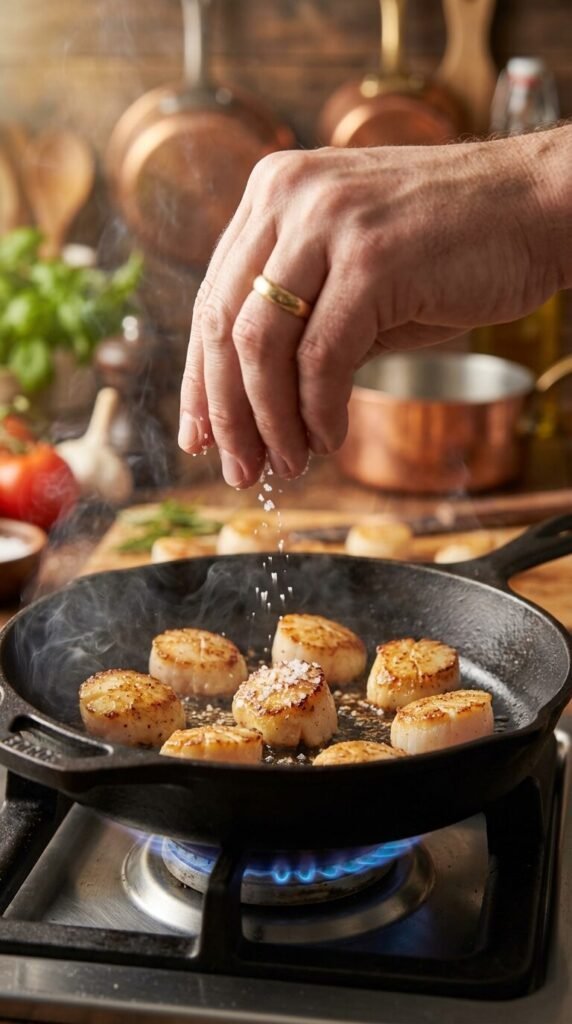
This is probably the most common culprit. Many home cooks are shy with salt, worried about making things too salty. But under-seasoning leaves food bland and flat. It’s not just about adding salt at the end; it’s about layering flavor.
Salt early and often. Season your meat before searing, your vegetables as they sauté, and your pasta water liberally. Taste as you go, and adjust. A pinch here, a dash there, makes all the difference.
Using the Wrong Fat for the Job
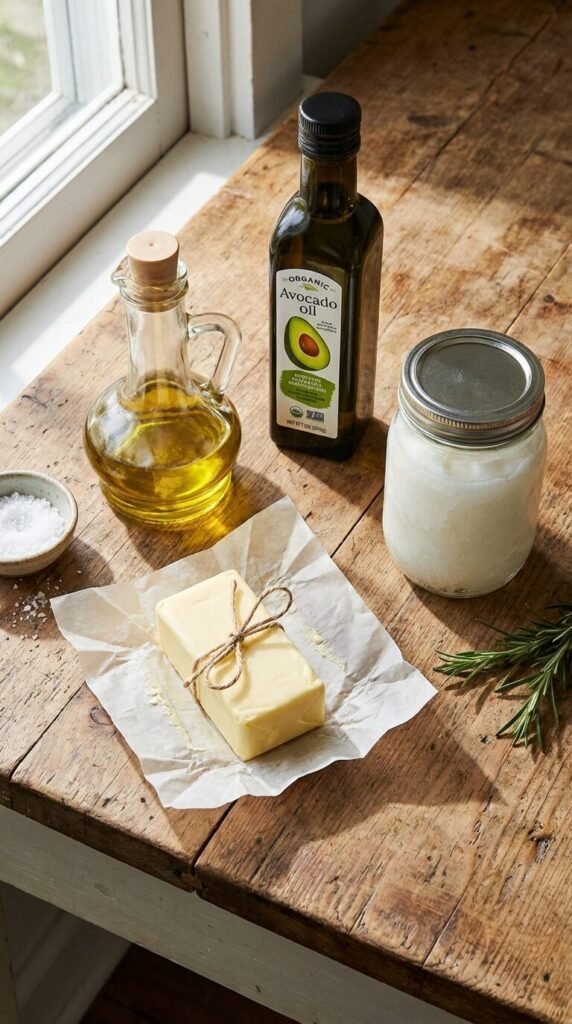
Fats are flavor carriers and cooking mediums. Using olive oil for high-heat searing, for instance, can lead to burnt flavors because of its low smoke point. Conversely, using a neutral oil like canola for a delicate vinaigrette misses an opportunity for flavor.
Understand smoke points and flavor profiles. Use butter or olive oil for low-to-medium heat sautéing and finishing. Reach for avocado, grapeseed, or canola oil for high-heat cooking. The right fat enhances taste and prevents unwanted bitterness.
Overcrowding Your Pan
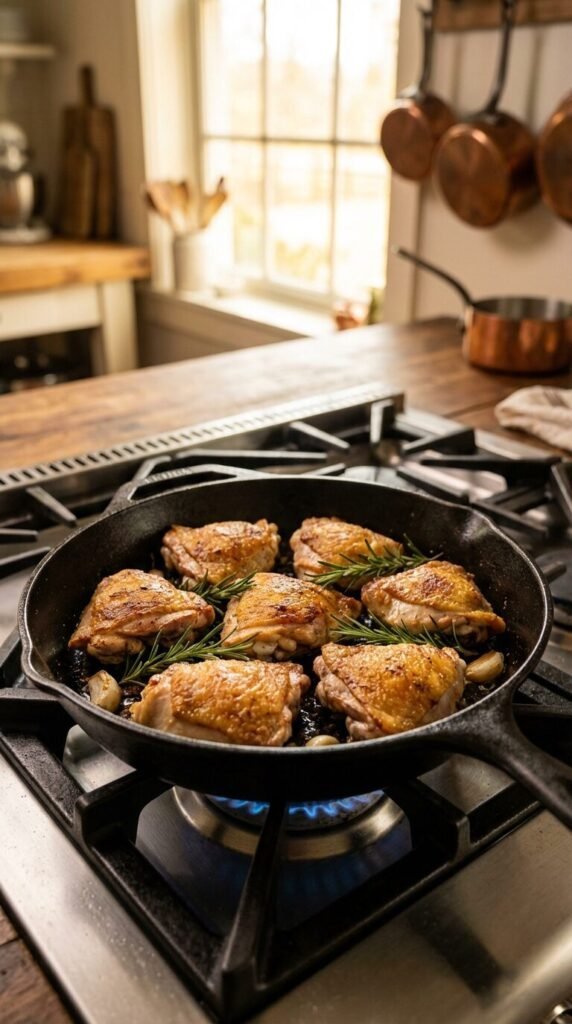
We’ve all been there, trying to cook everything at once to save time. But cramming too much food into a pan lowers the temperature dramatically. Instead of searing or caramelizing, your food will steam. This leads to soggy, pale, and flavorless results.
Give your ingredients space to breathe! Cook in batches if necessary. This allows for proper browning and creates those delicious, complex flavors that make food taste expensive.
Ignoring the Importance of Acid
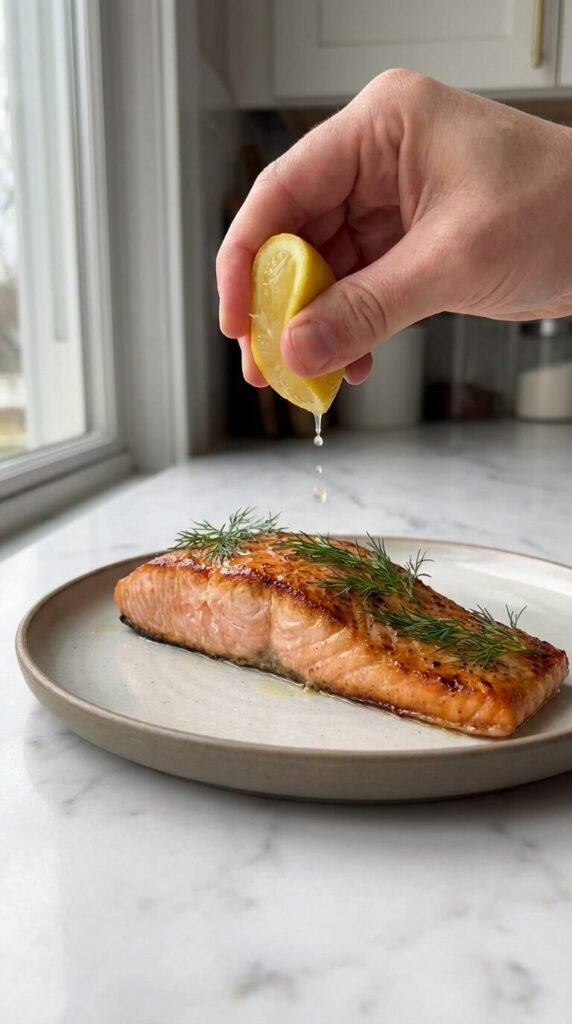
Lemon juice, vinegar, or even a splash of wine can be a game-changer. Acid brightens flavors, cuts through richness, and balances a dish. Without it, many meals can taste heavy and one-note.
Think of acid as the secret weapon that wakes up your taste buds. A squeeze of lemon over roasted vegetables, a dash of red wine vinegar in a stew, or a splash of lime juice in a taco filling can elevate a dish from good to unforgettable.
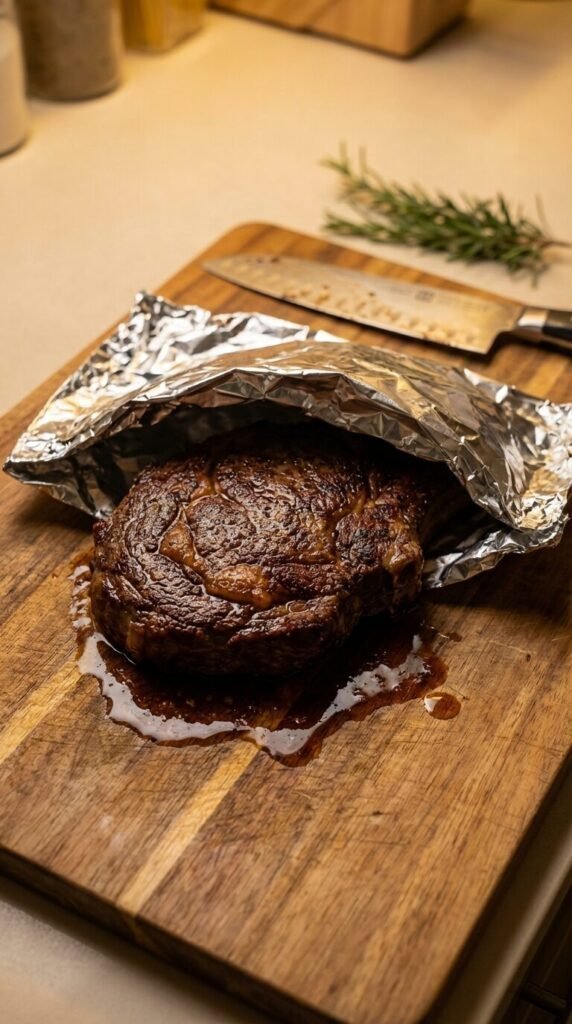
Not Letting Meat Rest
Cutting into a steak or roast immediately after cooking is a common mistake. The juices, which are evenly distributed during cooking, rush to the surface when sliced too soon, leaving the meat dry and flavorless.
Patience is a virtue here. Give your cooked meat 5-10 minutes (longer for larger cuts) to rest before carving. This allows the juices to redistribute, resulting in a tender, moist, and much more delicious piece of meat. It’s one of those simple habits that truly elevates your home cooking, much like how a good meal plan can save your weeknights.
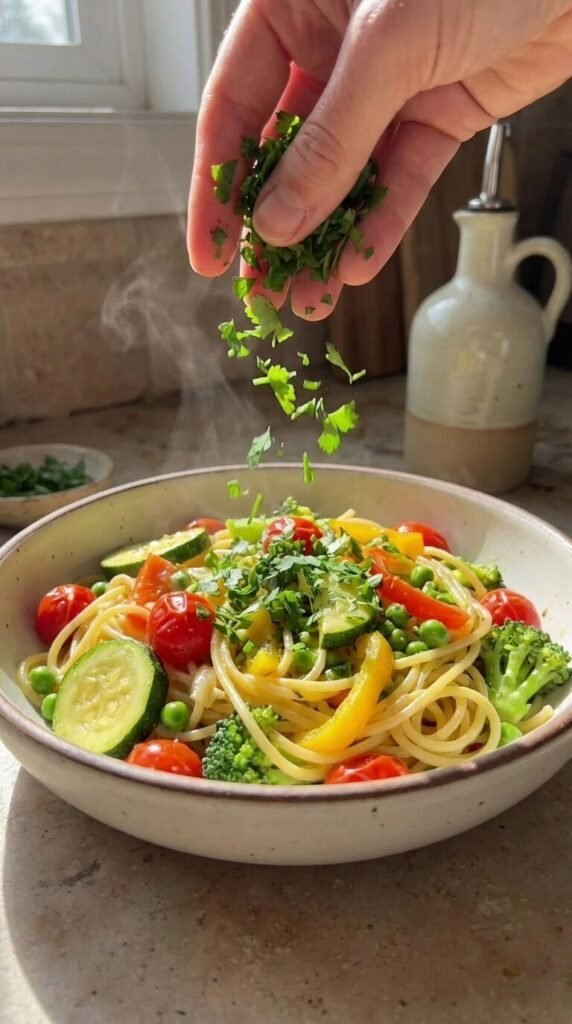
Under Utilizing Fresh Herbs
Dried herbs have their place, but fresh herbs add a vibrancy and brightness that dried ones simply can’t match. A sprinkle of fresh parsley, cilantro, or basil at the end of cooking can awaken a dish.
Think of fresh herbs as your finishing touch. They add aroma, color, and a burst of flavor that screams “gourmet.” Don’t just chop them and stir them in; consider garnishing with them for visual appeal too.
Serving Food at the Wrong Temperature
Temperature drastically affects flavor perception. Hot food should be hot, cold food should be cold. A lukewarm soup or a salad that’s not properly chilled can taste less appetizing, dulling the flavors.
Invest in a good instant-read thermometer for meats. Warm your plates for hot dishes and chill your bowls for salads or cold breakfast bowls. These little details show care and elevate the entire dining experience.
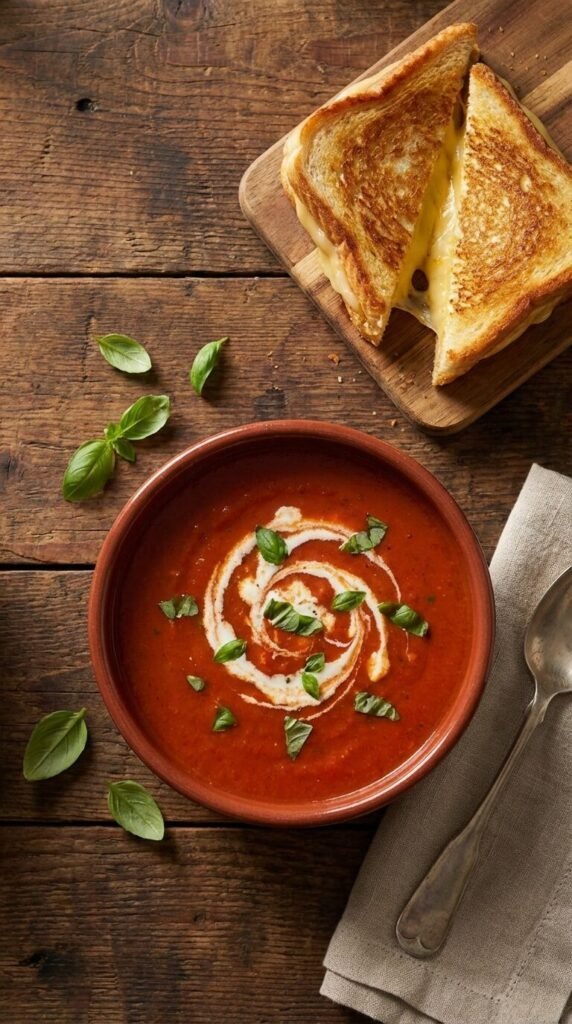
Neglecting Texture
A truly memorable dish has varying textures – crunchy, creamy, tender, crisp. A meal that’s all soft or all chewy can become boring quickly. Think about how many times a simple sprinkle of croutons or toasted nuts completely changes a salad.
Add contrasting textures. Top creamy soups with crunchy breadcrumbs. Add toasted seeds to soft roasted vegetables. Even a simple garnish of fresh, crisp herbs can provide that much-needed textural pop that makes a dish feel more complex and “expensive.” This is also a crucial tip when you’re working on something like a healthy meal plan for a busy family, ensuring everyone enjoys their food.
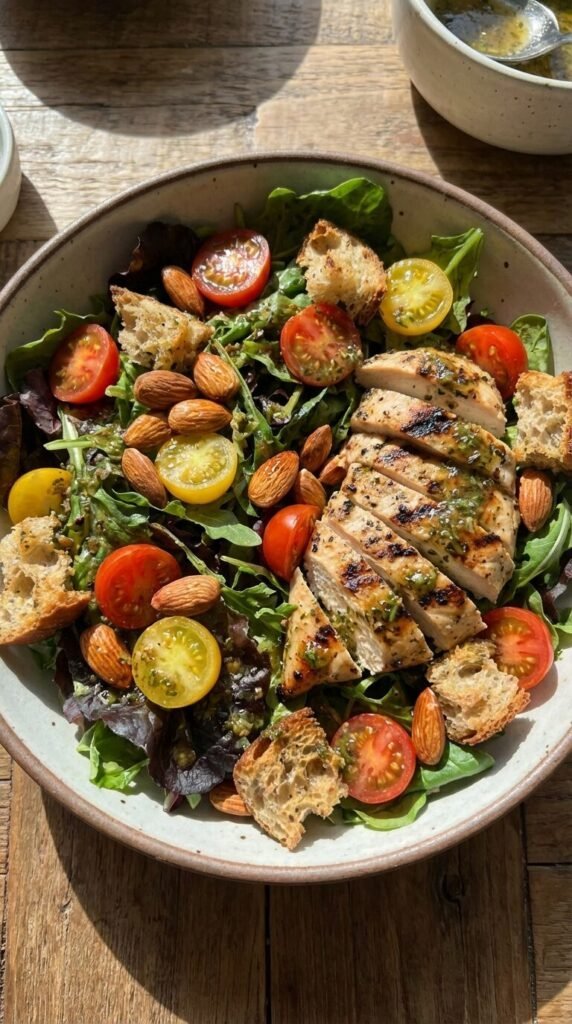
Poor Presentation
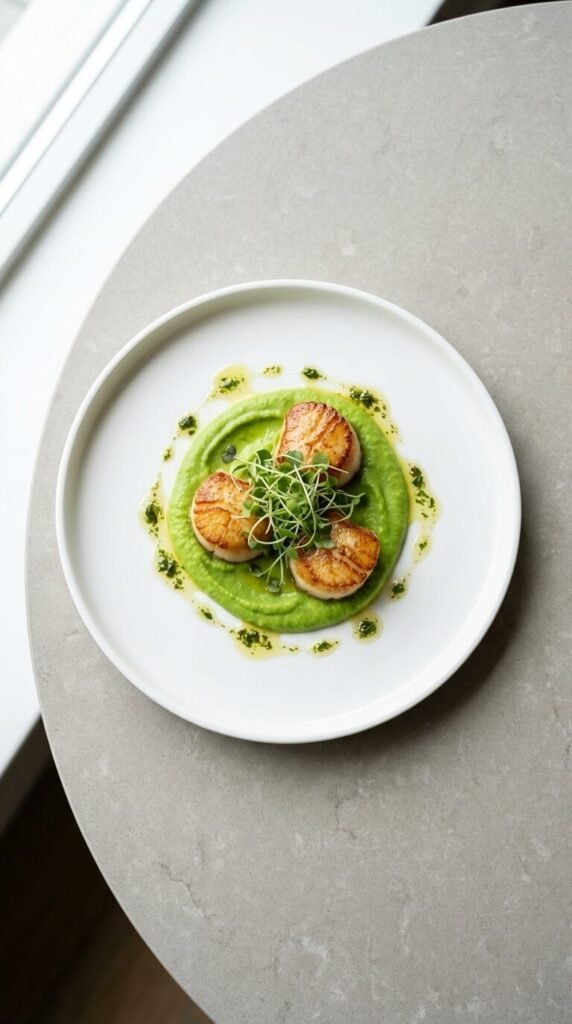
We eat with our eyes first! A beautifully plated meal, even if it’s simple, immediately makes it feel more special and intentional. Sloppily dished-out food, no matter how delicious, instantly cheapens the perception.
Take an extra minute to make your plate look appealing. Wipe the rim of the plate, stack ingredients rather than dumping them, add a sprinkle of fresh herbs, or a drizzle of sauce. It doesn’t have to be Michelin-star level, but a little effort goes a long way.
There you have it! Nine common cooking mistakes that, once you conquer them, will dramatically improve the quality and perceived value of your homemade meals. I promise, these aren’t complicated techniques, just mindful adjustments that lead to incredible results.
Which of these mistakes have you been making? I’d love to hear how these tips transform your cooking. Go on, give them a try, and get ready for your kitchen to churn out dishes that taste truly expensive!
If you found this helpful, please save this post for later and share it with a friend who loves to cook!